Latin Name: Arctium minus
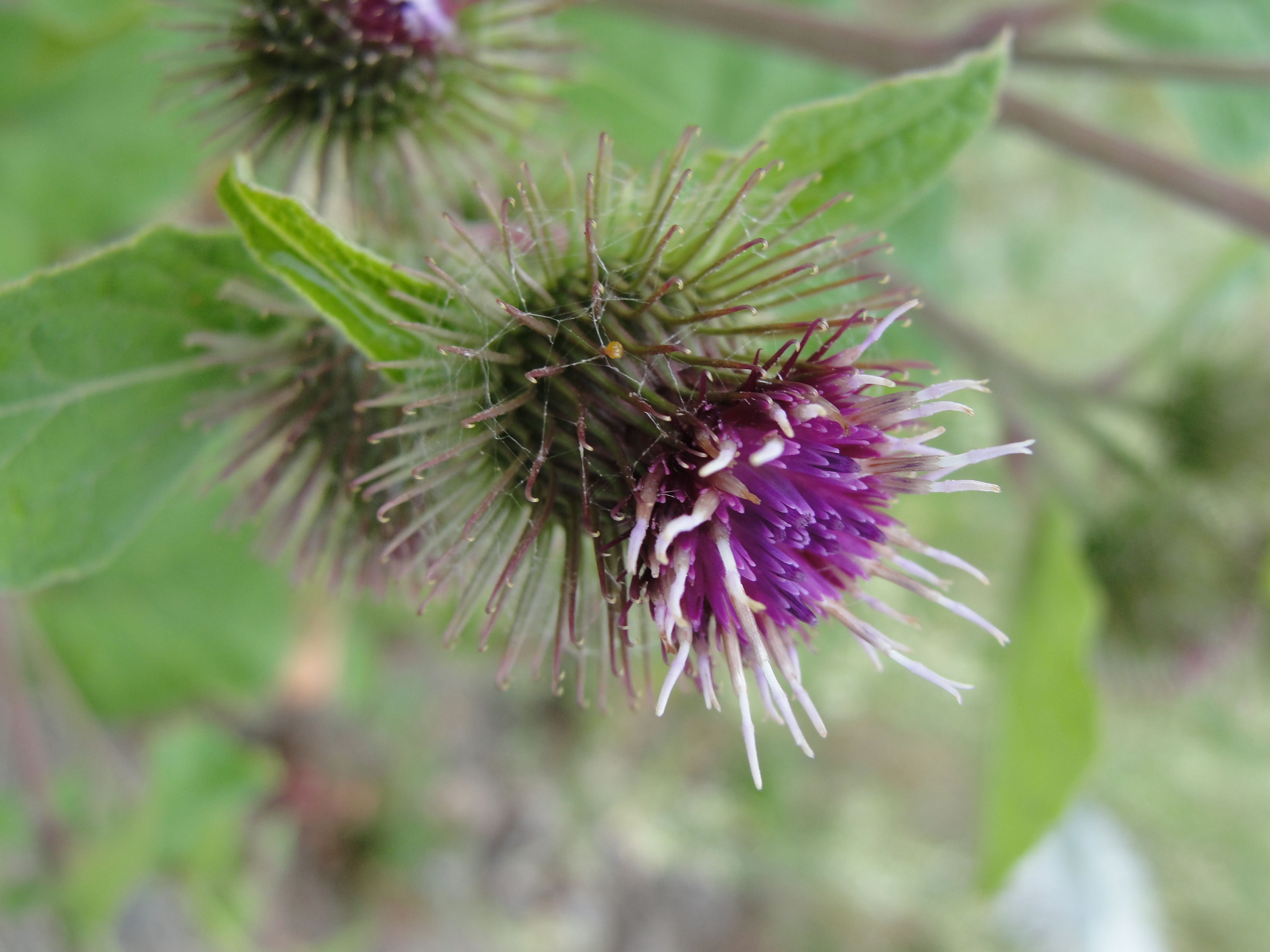
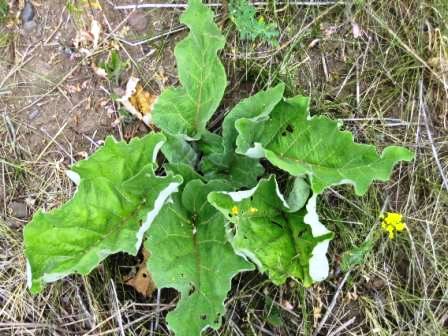
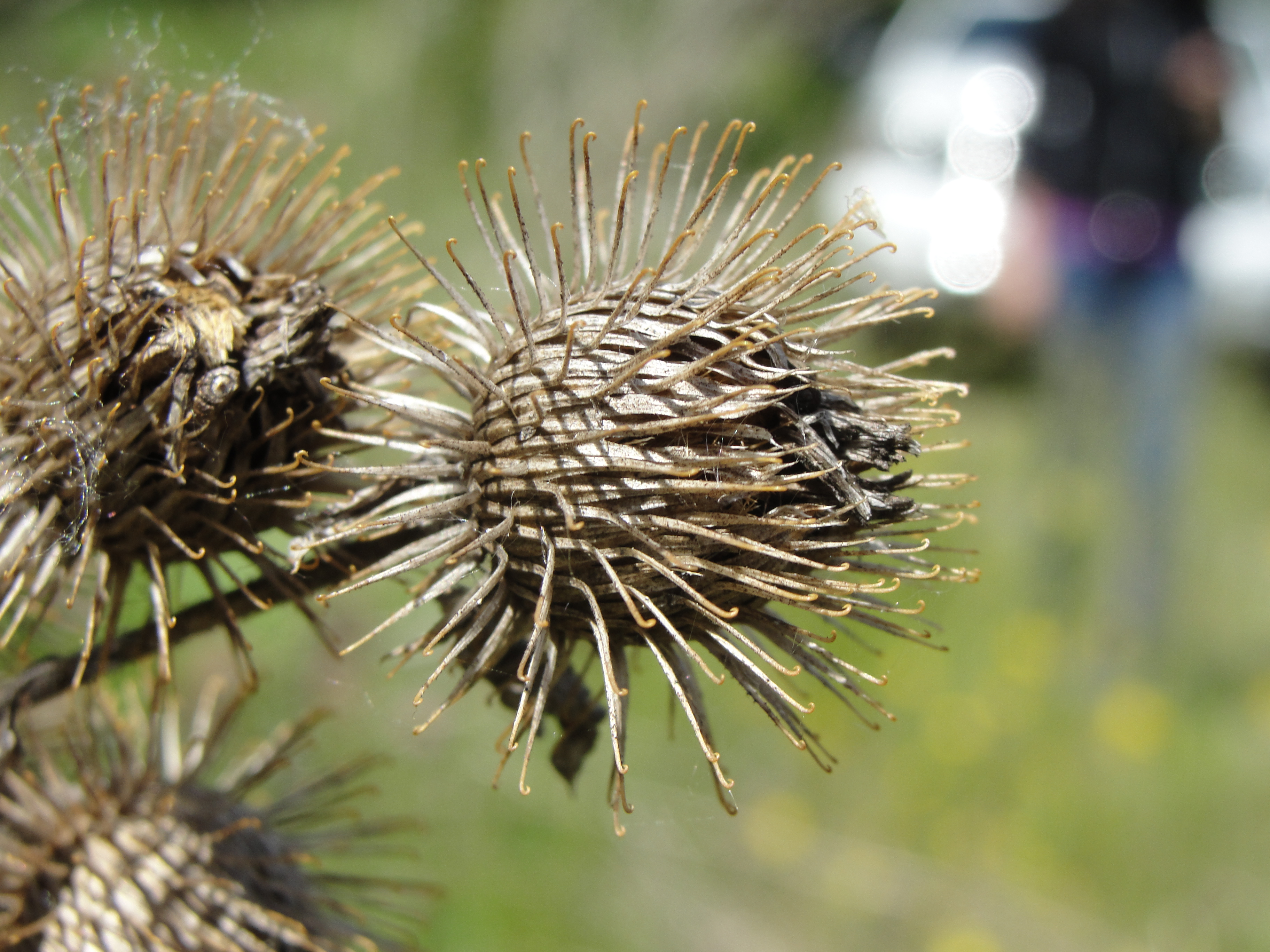
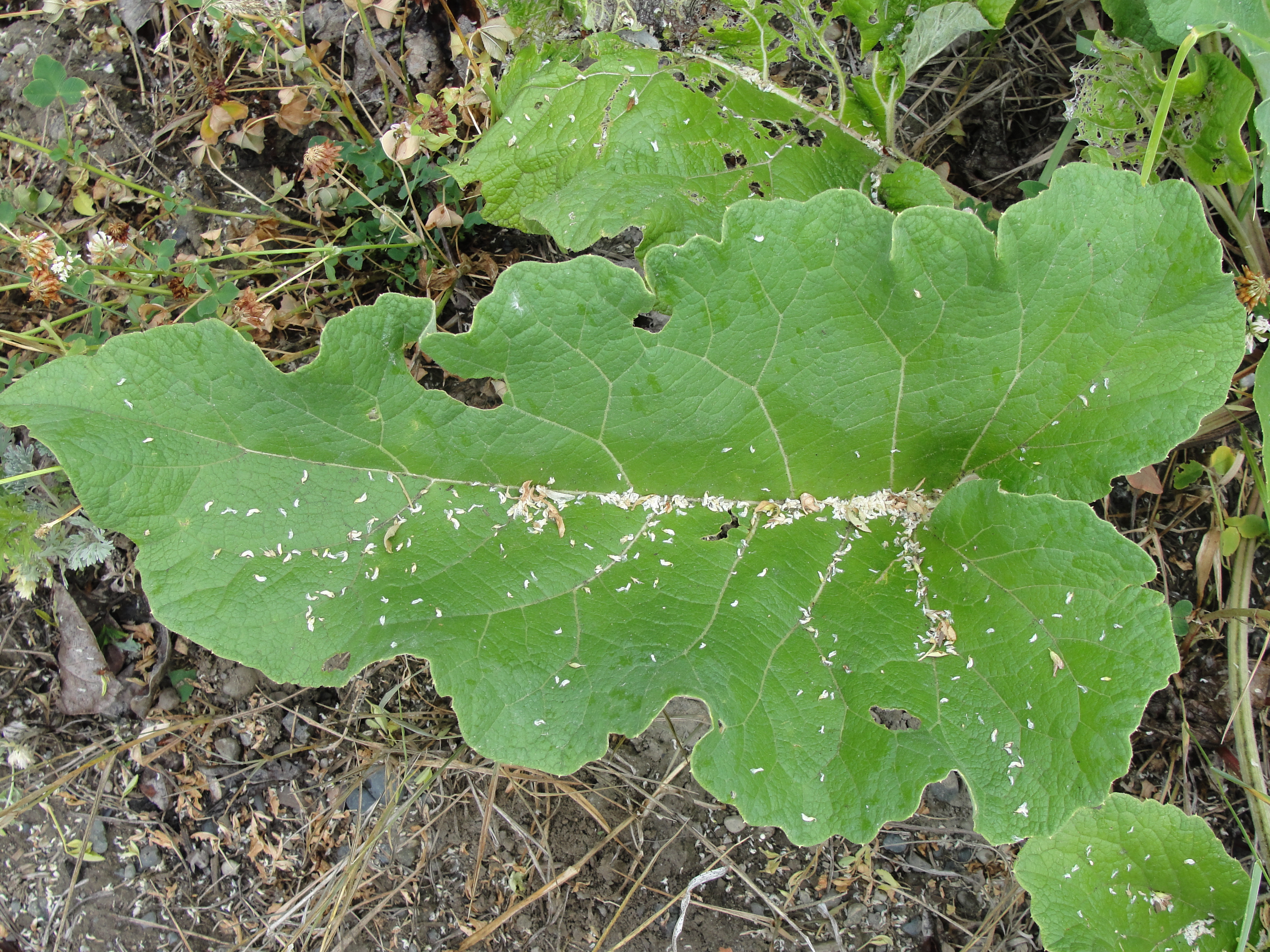
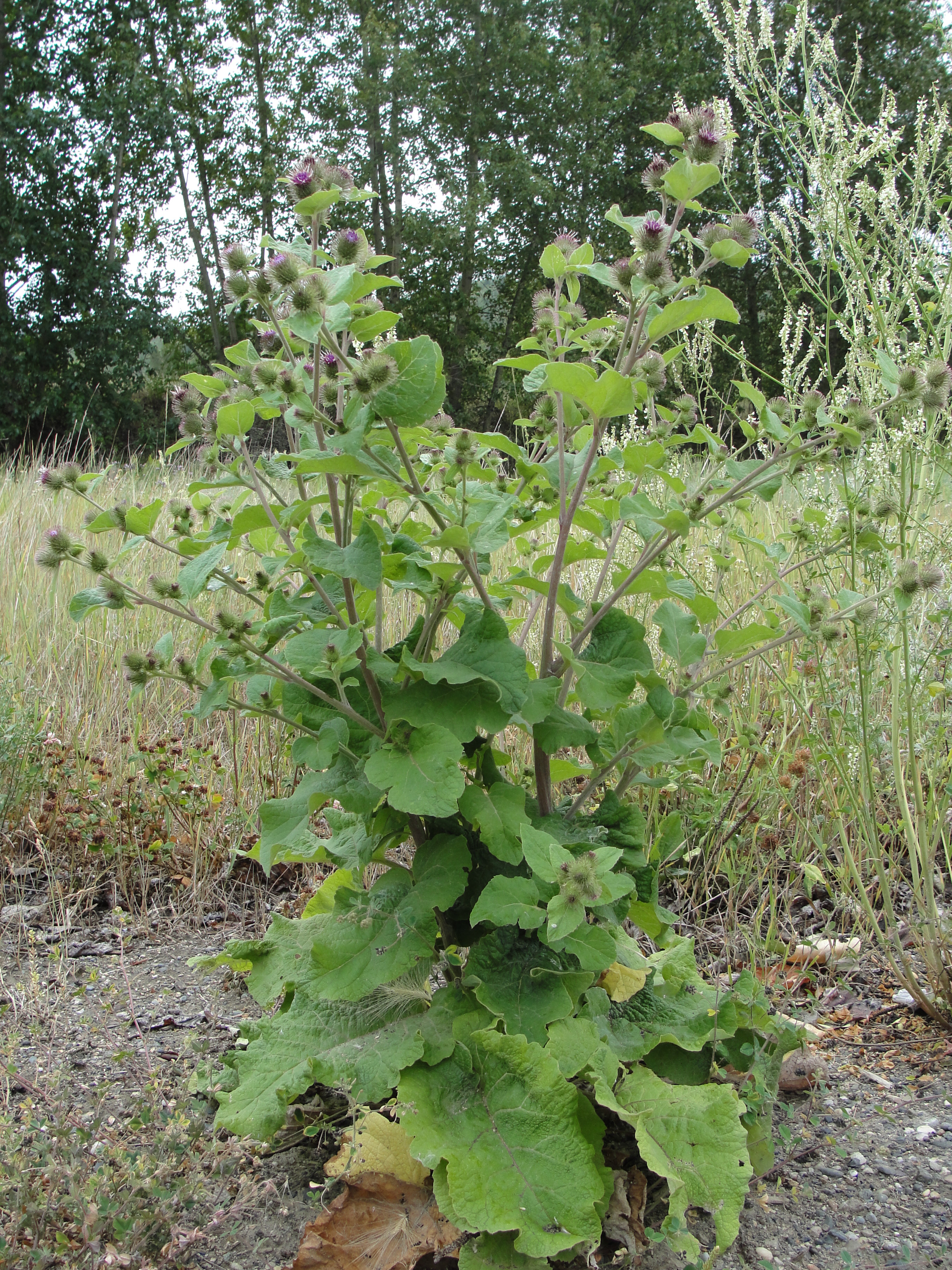
Physical Description: These biennial invasive plants were introduced into North America from Eurasia. Burdock has a large fleshy taproot that can extend almost a meter underground. Leaves are green, heart-shaped, and the edges may be toothed or wavy. The top of the leaf surface is smooth where as the underside is slightly woolly. In its first year, burdock germinates and forms a rosette that can grow up to 1 meter wide. In the second year, burdock produces an upright and highly branched stem that can grow to 1-3 meters tall, with alternating leaves on short stocks. They have highly branched stems ending in clusters of rounded purple flowerheads that develop and bloom from June to October. The flowerheads will mature to round burrs covered with hooked bristles.
Type: Biennial herb
Habitat and Impacts: Burdock is found in forests to grasslands in moist nutrient rich soils. It is often found in ditch lines and other disturbed sites, and it can become a problem in riparian areas once established.
Burdock produces allelopathic compounds which can inhibit native species from germinating. Livestock will graze burdock, but if ingested in sufficient quantities it can render milk unpalatable. Burdock seeds can become attached to wildlife and livestock, decreasing the value of livestock as well as ensnaring birds and bats. Burdock leaves and stems can cause skin irritation if handled without gloves.
Method of Spread: Burdock spreads solely by seed and each plant may produce up to 16,000 seeds and may remain viable in the soil up to 4 years. The seeds develop hooked spines that readily catch on fur, feathers or clothing thereby potentially transporting them a considerable distance.
Look-a-Likes: Non-native: Wild rhubarb (Rheum rhabarbarum)
