
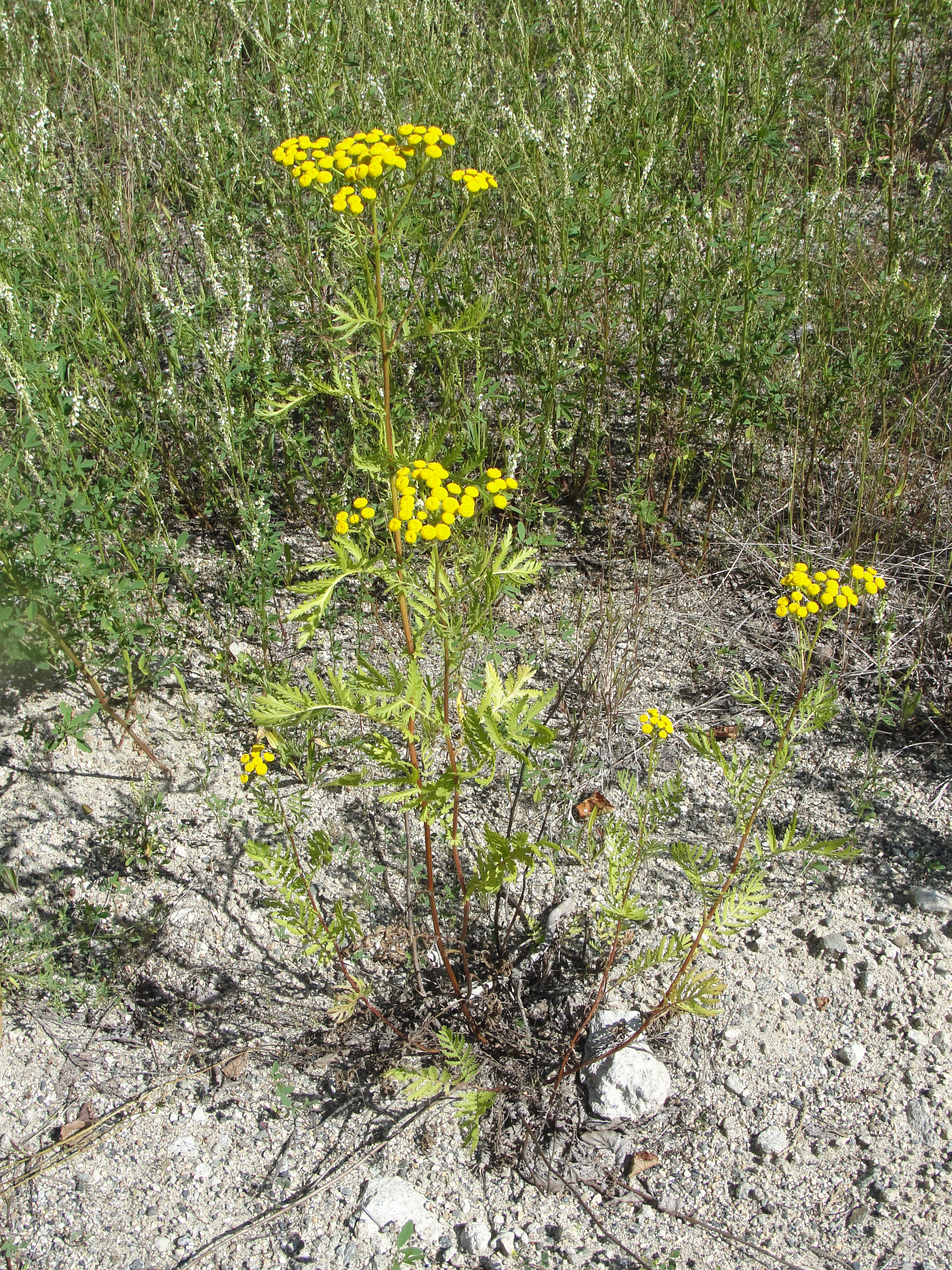
Latin Name: Tanacetum vulgare
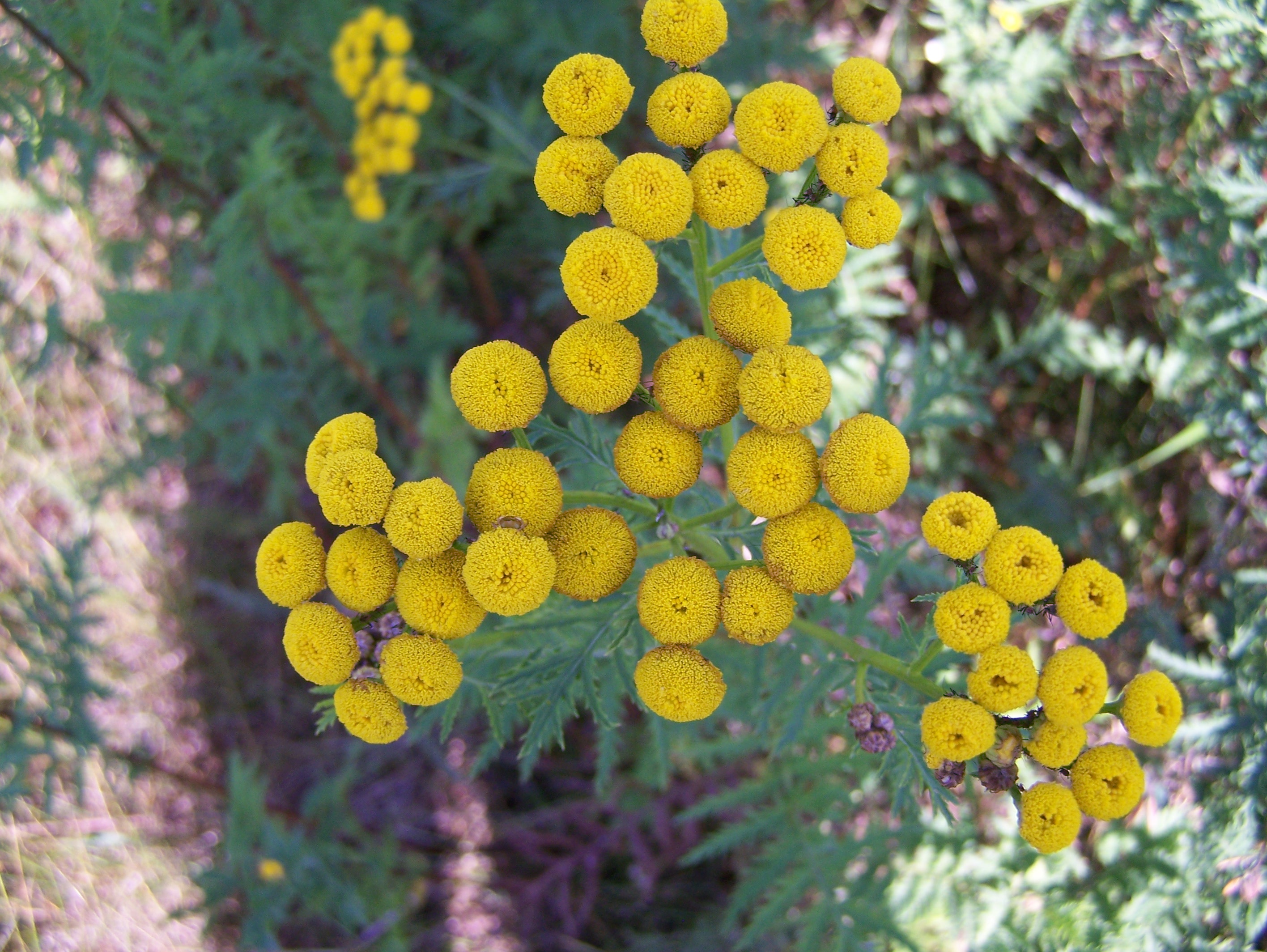
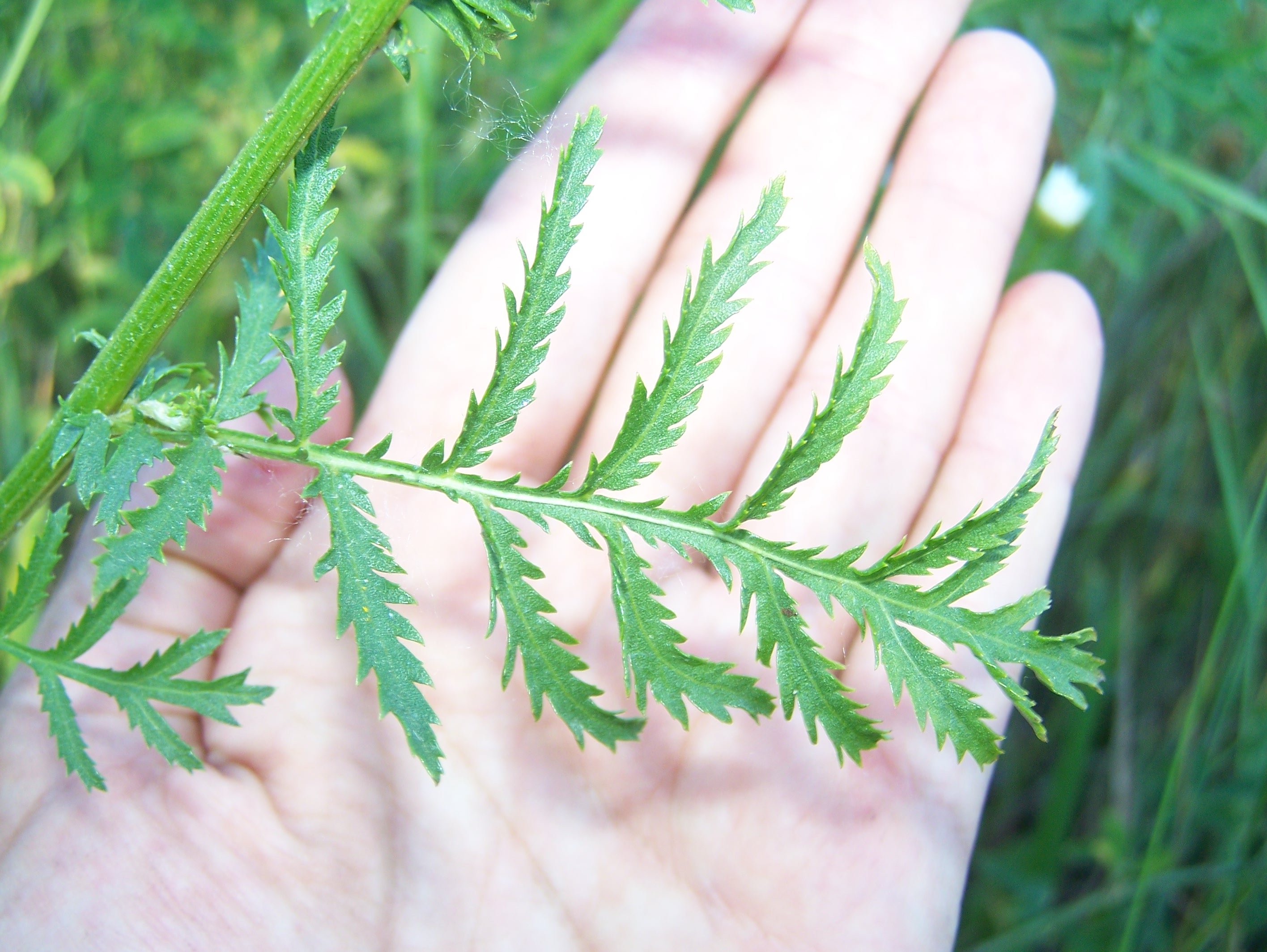
Physical Description: Common tansy was introduced from Europe and Asia as an ornamental and for medicinal purposes and can be found across Canada and the United States as far north as the Northwest Territories. Flowers are button-like, yellow and lack petals that form flat-topped clusters at the top of the stems. There can be 20-200 flowerheads per plant. Tansy can grow to 1.5m tall, with multiple stems that are purplish-red when mature. Leaves are dark green and deeply divided into leaflets with toothed edges. Leaves can be 10-20cm long and 4-8cm wide that alternate up the stem, becoming smaller towards the top. When crushed, the leaves give off a strong odour.
Type: Perennial
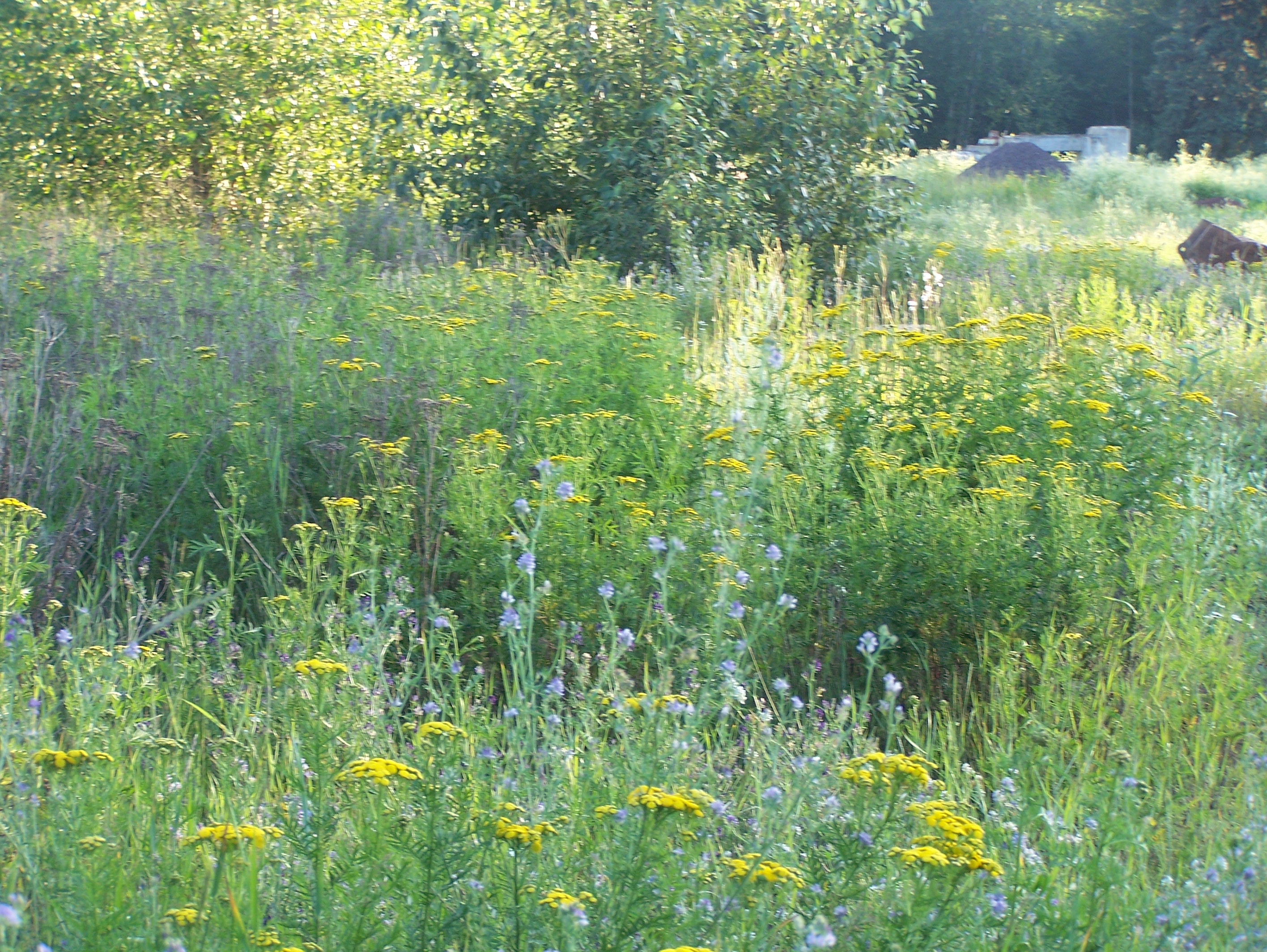
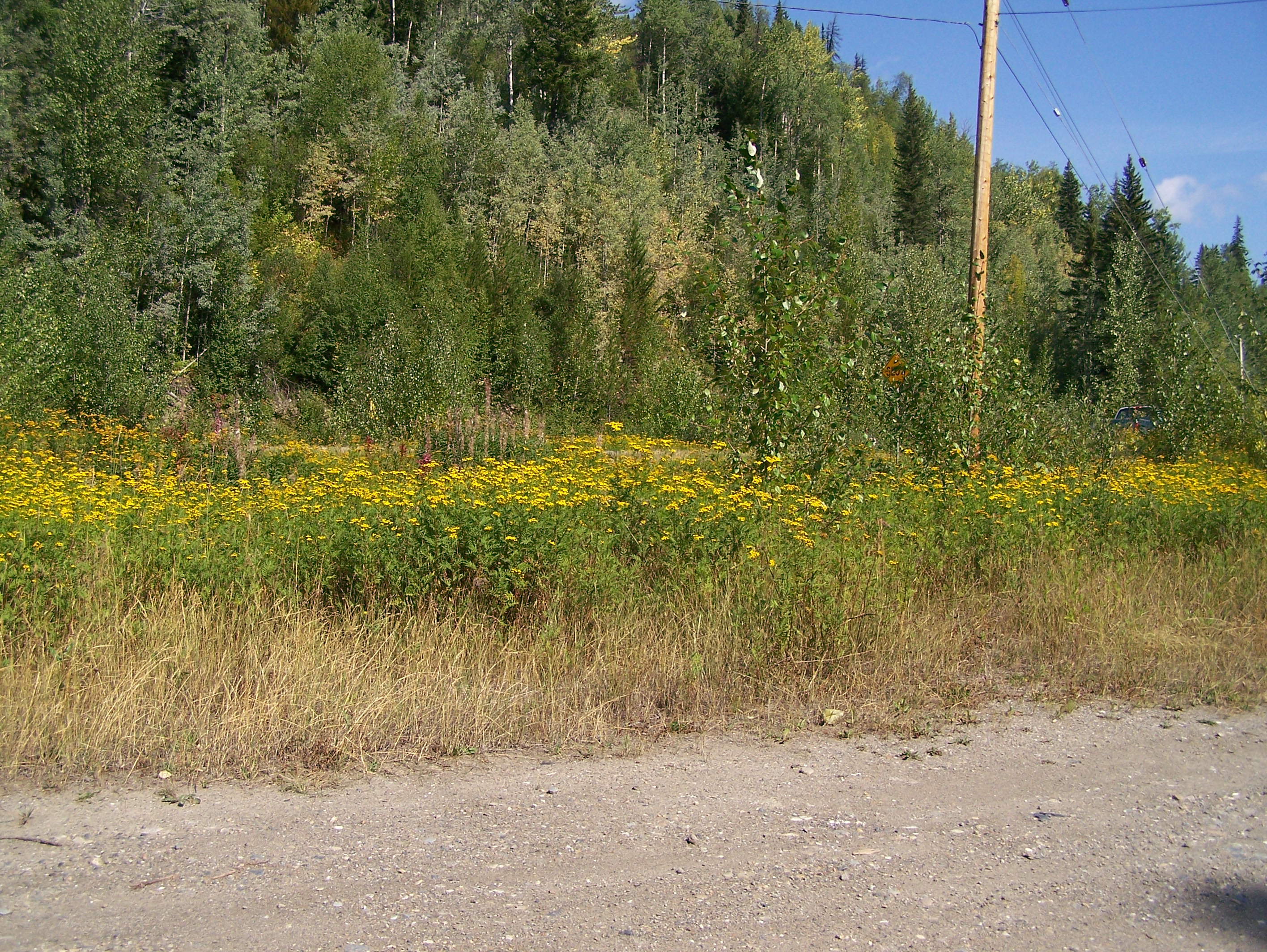
Habitat & Impacts: Common tansy prefer open, sunny areas in nutrient-rich and well drained soil usually becoming established on disturbed grounds. This species can spread into adjacent undisturbed areas once established. It is especially prone to infesting riparian areas where chemical control is limited or not possible.
This species can outcompete and displace native vegetation as well as reduce forage quantity and quality for livestock and wildlife. Common tansy contains alkaloids that can be toxic to humans and livestock if large quantities are consumed although is generally unpalatable to most livestock.
Method of Spread: Common tansy primarily reproduces by seed but can be dispersed by roots and rhizomes, A single plant can produce up to 50,000 seeds. Seeds may be dispersed by wind and water but also transported by people, animals, and vehicles moving through infested areas. The seeds of common tansy can remain viable up to 25 years.
Look-a-likes: None
