
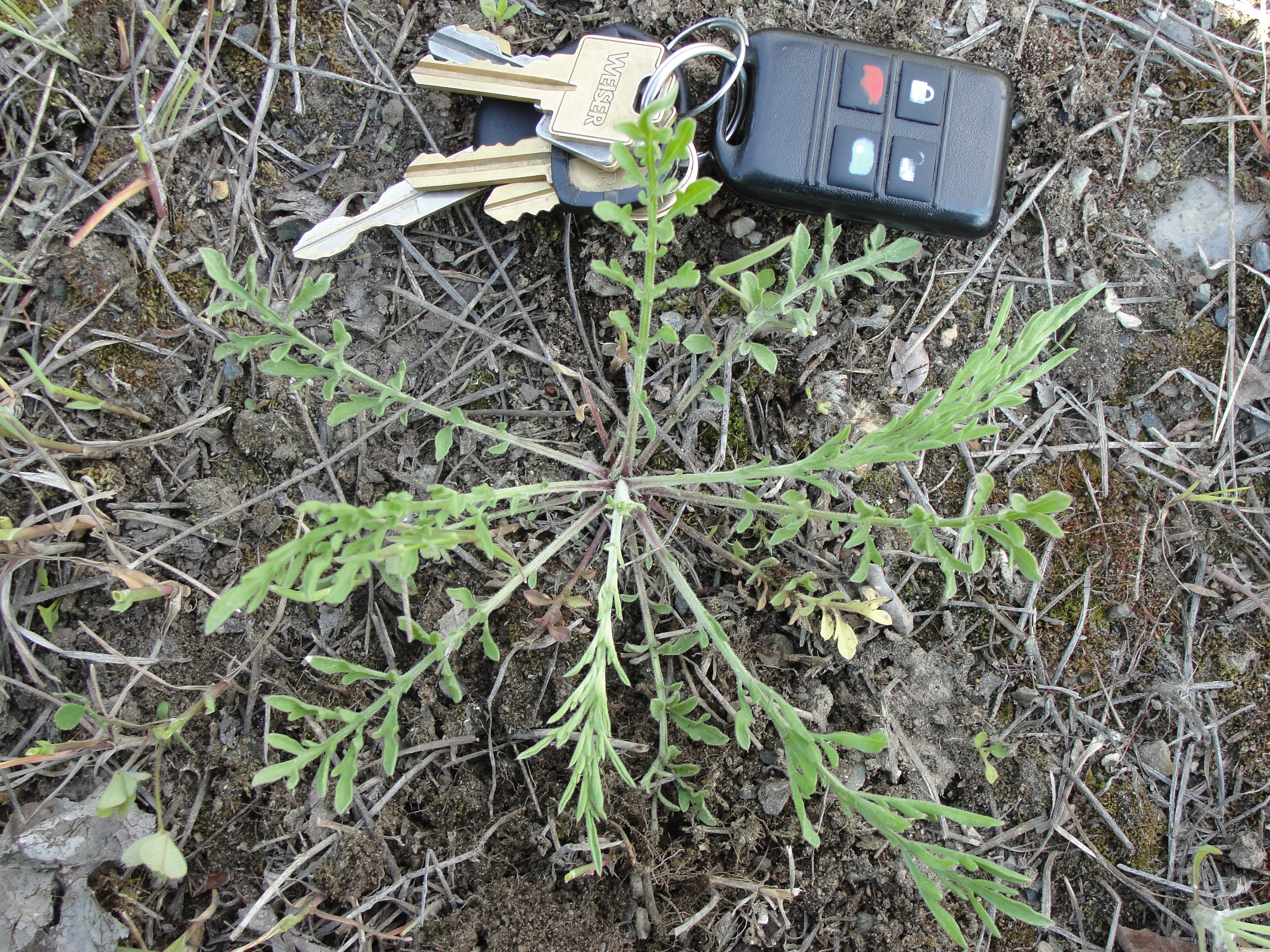
Latin Name: Centaurea diffusa
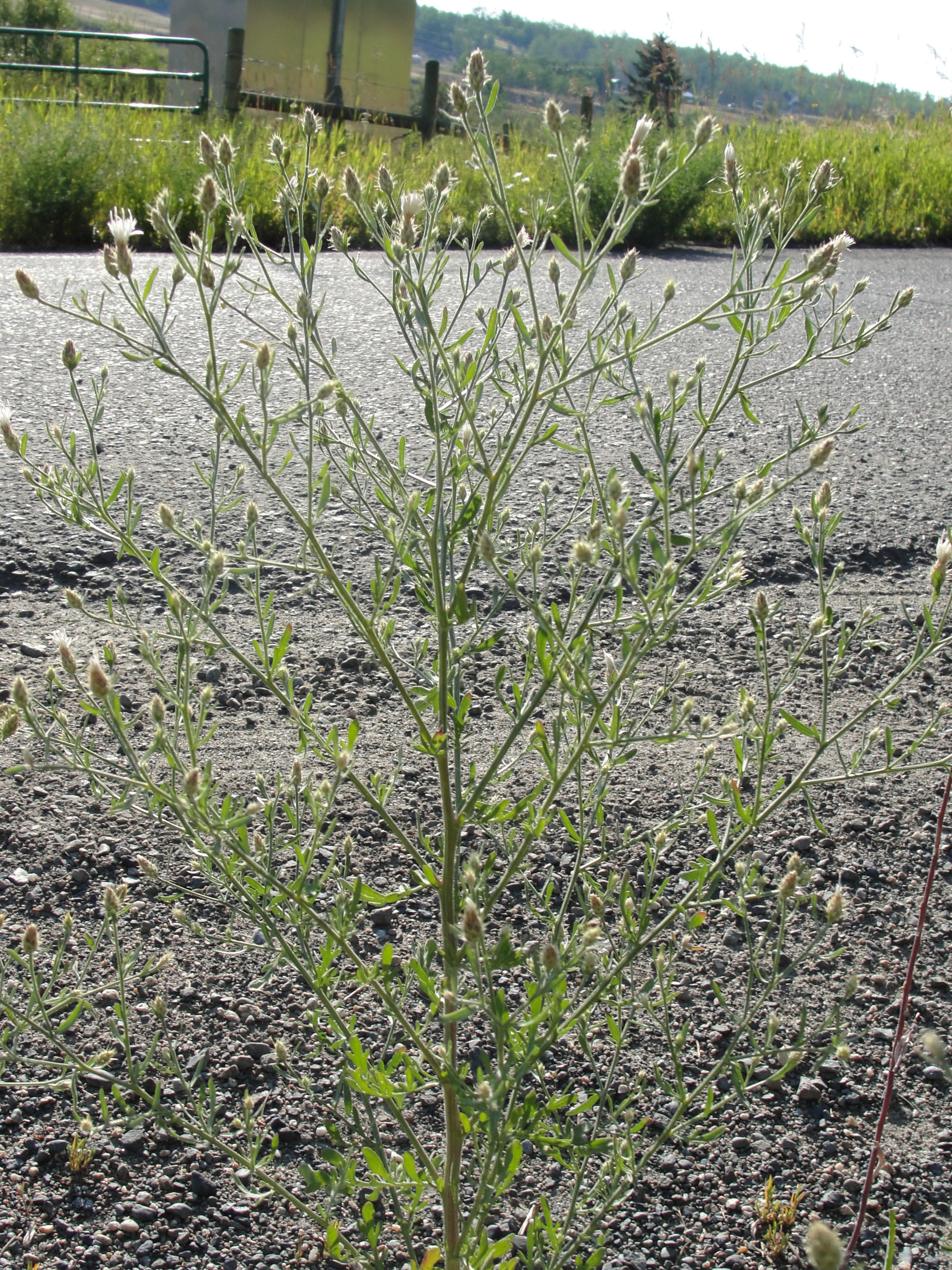
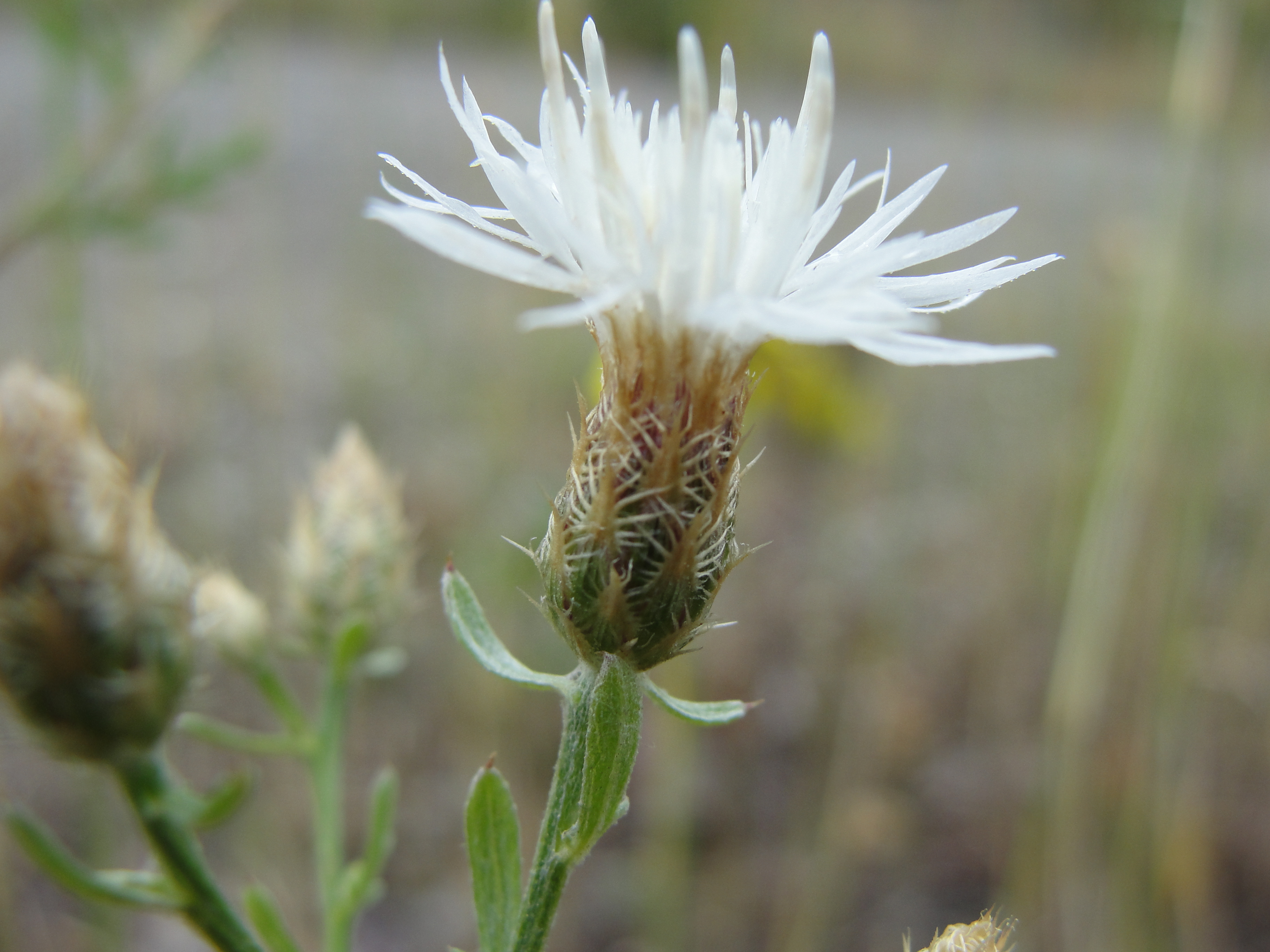
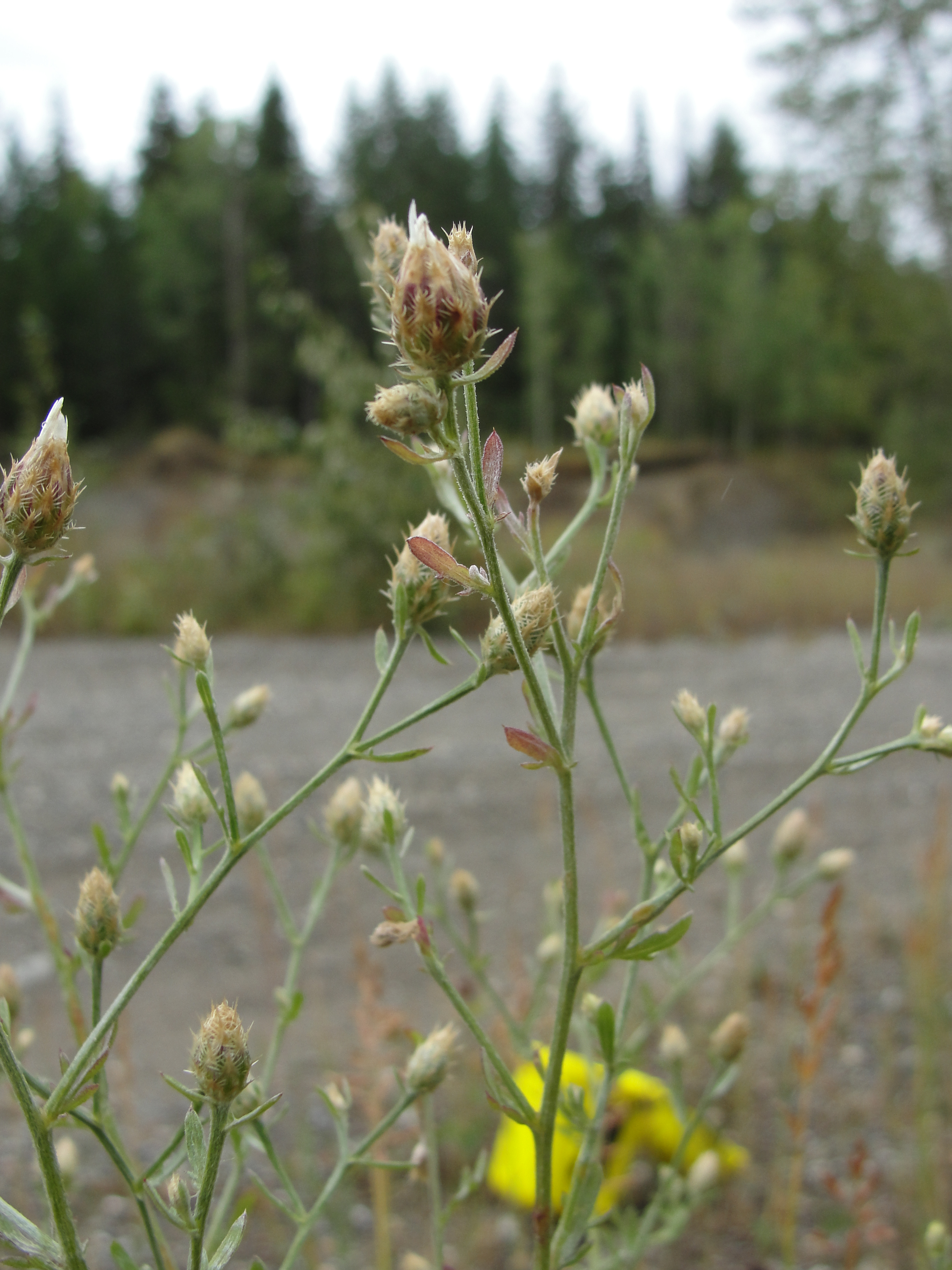
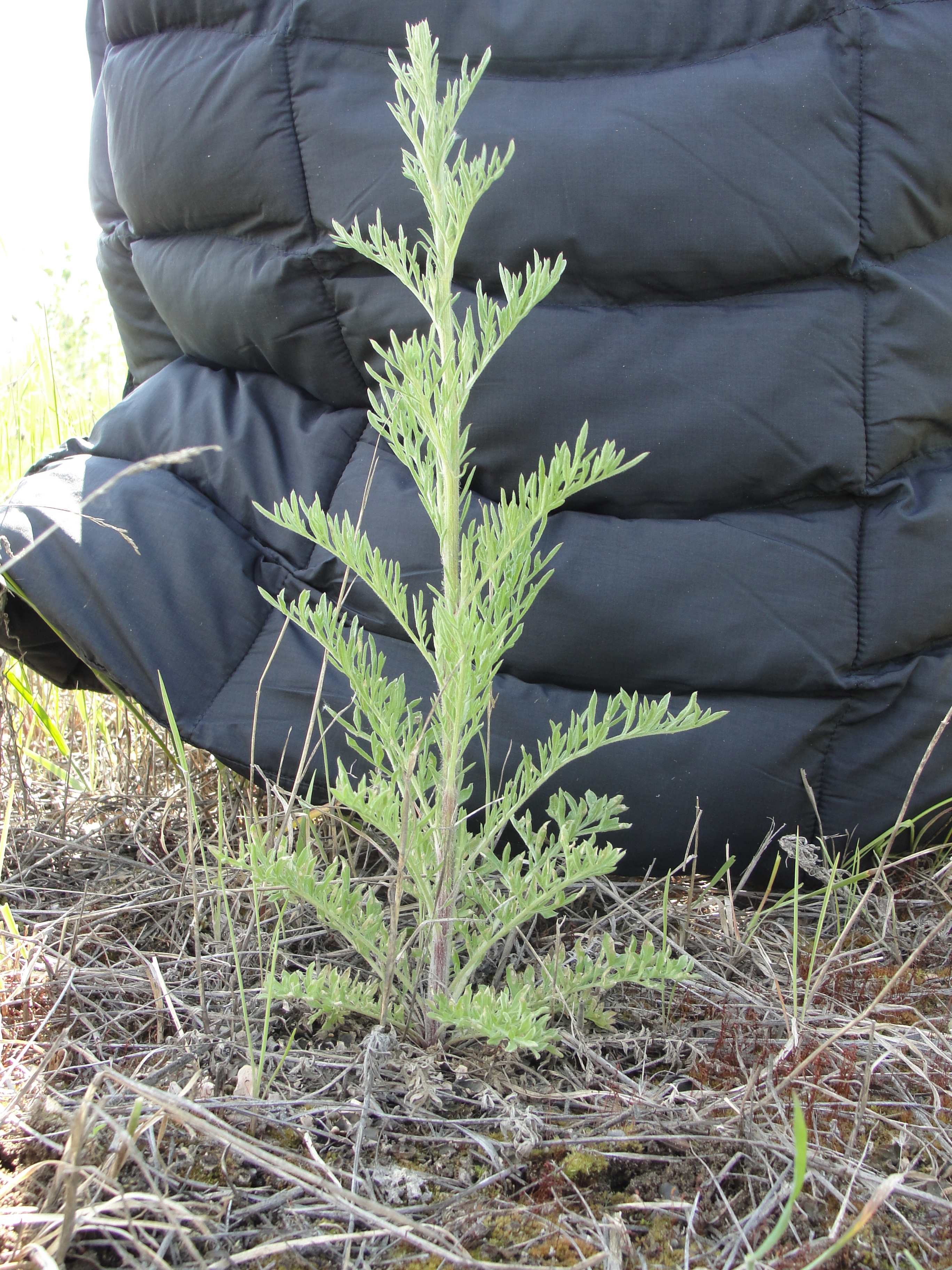
Physical Description: The flowers are white but sometimes can be light pink or purple in colour. They are found in clusters, or single flowers at the end of branches. The flower bracts have small spines at the base of the flowers and feel ‘spiky’ when touched. Stems are upright reaching up to 60cm to 1meter tall, with multiple branches and covered in short white hairs.
Type: Biennial or short-lived perennial
Habitat & Impacts: It is found in a variety of dry habitats particularly in disturbed areas and does not tolerate shade. It is generally not found in cultivated or irrigated fields. Diffuse knapweed is unpalatable to livestock and can cause serious loss of forage production on heavily infested rangelands.
Method of Spread: Diffuse knapweed reproduces exclusively from seeds and a single plant can produce up to 18,000 seeds. Most seeds fall close to the parent plant, but adult plants may distribute seeds when they break off at the root collar or lower stem and tumble for a considerable distance blown by the wind. Seeds can remain viable in the soil for many years.
