
About

Latin Name: Knautia arvensis

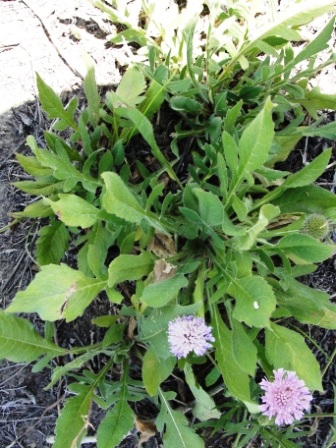
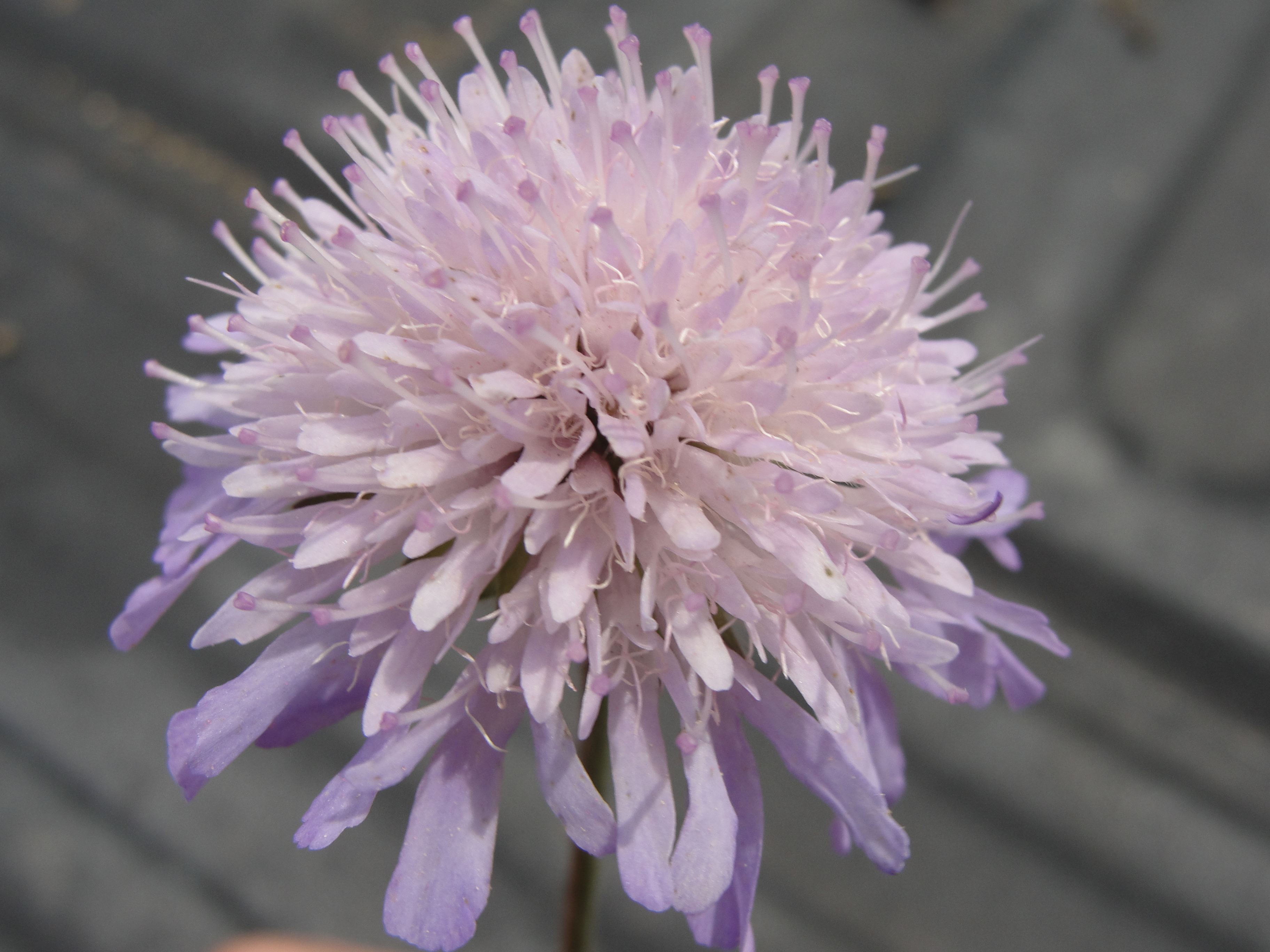
Physical Description: Field scabious is a large, erect forb with a large branched taproot and a single main stem, branching into multiple flower stalks.

Type: Perennial

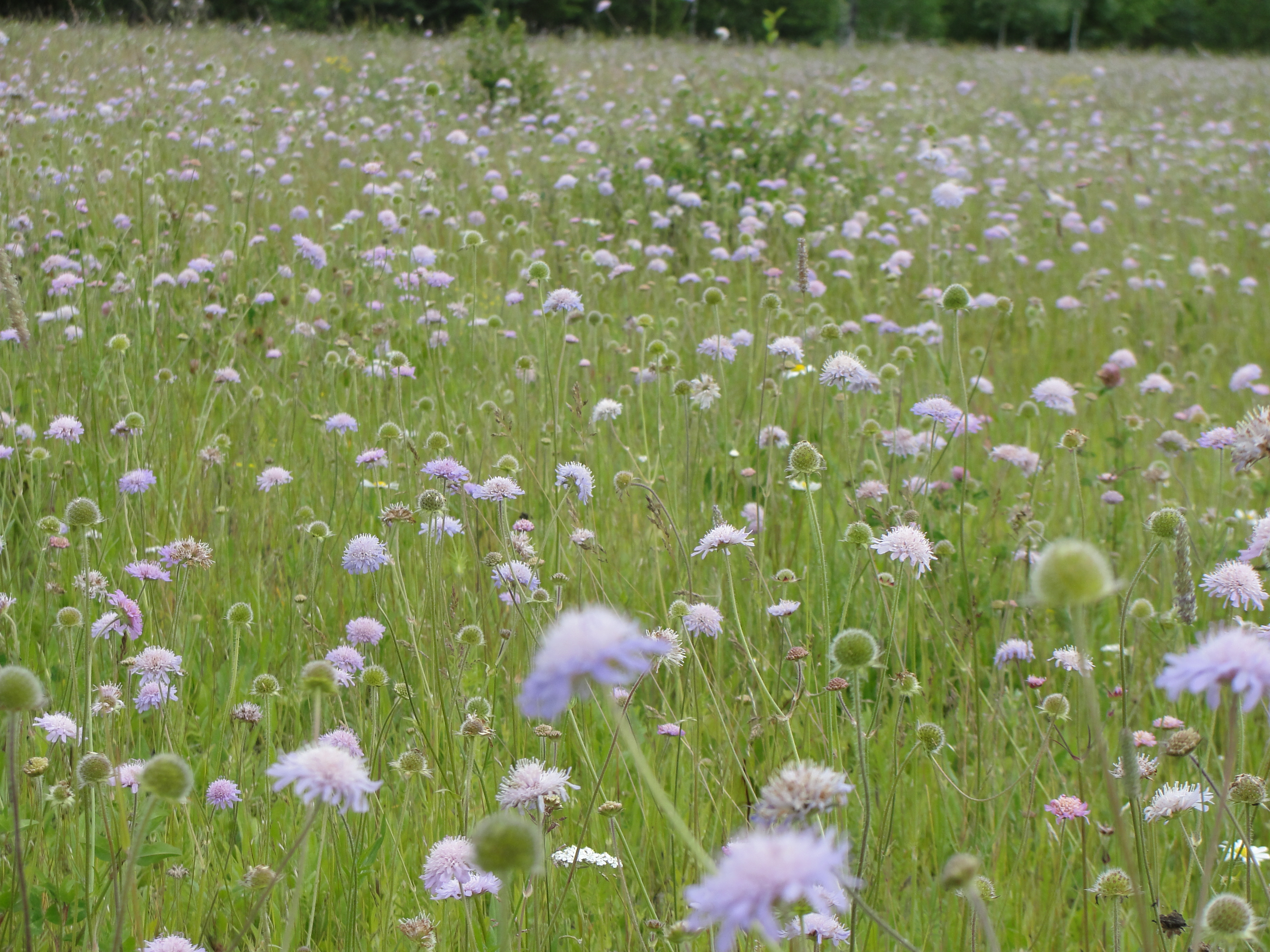
Habitat & Impacts: Field scabious grows in a wide range of conditions on sites with nutrient-rich finely textured soils. Infestations of field scabious can reduce the yield and quality of forage in pastures. Native vegetation can be displaced by heavy infestations.

Method of Spread: Field scabious reproduces by seed and vegetative through stolons. Seed production is moderate with up to 2000 seeds produced per plant. Most seeds fall close to the parent plant, but some may be spread by animals. Field scabious seeds may remain viable in the soil for many years. This species is generally slow-spreading but is very invasive and can colonize most suitable habitats.

Management Options

Mechanical: Mowing or hand pulling prior to seed set can control seed production, and cultivation may eliminate an infestation. Cattle can be used to graze young plants

Chemical: Picloram, 2, 4-D, glyphosate and metsulfuron-methyl are effective herbicides for the control of field scabious.

Biological: There is no biocontrol agent available for field scabious in British Columbia.

CCCIPC Priority & Treatment Strategy: Priority 1 (new invader) in all areas of the region except the North Cariboo, where is it ranked as Priority 2 (containment). A containment area has been established around the infestation in the Cottonwood area. Only localized treatment for field scabious will be taken within this area, but all infestations outside the containment area will be treated.

Treatment Options

Local Level: Chemical, hand-pull or mow. Hand pull or mow in riparian areas.

Landscape Level: Chemical spraying or manual control.

Contact Us


Invasive Plant Management
Suite D, 180 North Third Avenue, Williams Lake, BC V2G 2A4
Phone: 250-392-3351
Toll-Free: 1-800-665-1636
Email this department